



🌞 Vitamin D vs. Vitamin D3: What’s the Difference and Which Do You Need?

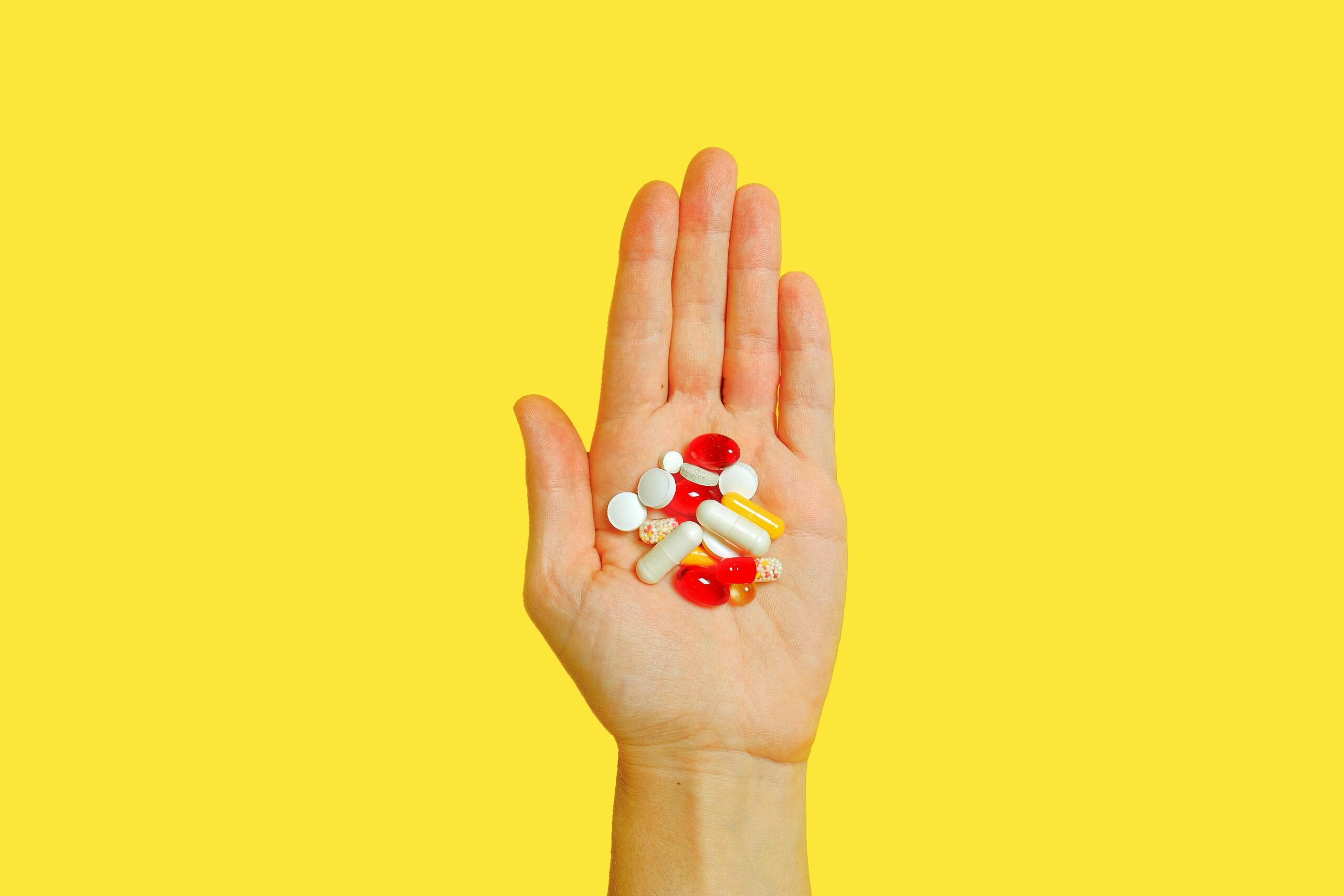
Not all vitamins work the same—especially when it comes to Vitamin D. You’ve likely noticed both “Vitamin D” and “Vitamin D3” listed on supplement labels, but what’s the real difference? And more importantly, which one does your body actually need?
Let’s break it down in clear, simple terms so you can make the best choice for your health.
🧬 What Is Vitamin D?
Vitamin D is a fat-soluble nutrient that plays a key role in:
Maintaining strong bones and teeth
Supporting immune system function
Helping regulate mood and mental well-being
Enhancing calcium absorption
Your body naturally produces Vitamin D when your skin is exposed to sunlight. However, modern indoor lifestyles, sunscreen use, and limited sun exposure—especially in northern regions—often result in low Vitamin D levels, making supplementation important.
🧪 What Is Vitamin D3?
Vitamin D3 (cholecalciferol) is a specific form of Vitamin D—and it’s the same form your body creates from sunlight. Compared to other forms, D3 is more easily absorbed and more effective at increasing and maintaining healthy blood levels of Vitamin D.
There are two primary forms found in supplements:
Vitamin D2 (ergocalciferol) – Derived from plant sources
Vitamin D3 (cholecalciferol) – Sourced from animals or lichen (vegan-friendly D3)
🔍 Key Differences at a Glance
| Feature | Vitamin D2 | Vitamin D3 |
|---|---|---|
| Source | Plant-based | Animal-based or Vegan Lichen |
| Bioavailability | Lower | Higher |
| Effectiveness | Less efficient at raising levels | More efficient |
| Shelf life | Shorter | Longer |
💡 Which One Should You Choose?
If your goal is to effectively raise and maintain healthy Vitamin D levels, most healthcare professionals recommend Vitamin D3. It closely matches the form your body naturally produces and is absorbed more efficiently.
Vitamin D2 may be an option for those following a strict vegan lifestyle who cannot access vegan D3. That said, many brands now offer lichen-based Vitamin D3, providing an effective, plant-friendly alternative.
⚠️ Signs You Might Be Low in Vitamin D
Persistent fatigue
Frequent illness or infections
Bone or lower back discomfort
Mood changes or low mood
Delayed wound healing
If any of these sound familiar, testing your Vitamin D levels and considering supplementation may be beneficial.
🛒 Our Recommendation
Searching for a high-quality Vitamin D3 supplement?
👉 [Explore Our Vitamin D3 Collection →]
Designed for superior absorption and available in both softgel and vegan-friendly formats.
🧠 Final Thoughts
While “Vitamin D” is often used as a broad term, Vitamin D3 is the superior choice for supplementation. It’s more potent, longer-lasting, and closely aligned with your body’s natural production from sunlight.
Whether you’re supporting immune health, bone strength, or mood balance—make sure you’re choosing the right form of Vitamin D.